As students head back to school, educators and families are thinking about the skills and experiences that will help young people thrive. Math, science, reading, and technology are essential—but so are creativity, self-expression, collaboration, and the opportunity to discover a passion. That is why arts education deserves a central place in today’s classrooms.
California is demonstrating both the potential and the challenges of expanding access to arts education. In 2022, voters overwhelmingly approved Proposition 28, setting aside approximately $1 billion each year for arts education in public K-12 schools. The funding is intended to expand programs including music, dance, theater, visual arts, and other creative disciplines.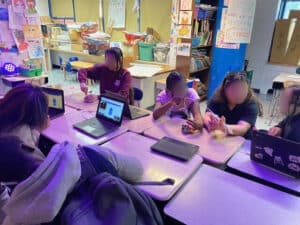
The impact can be significant when schools are able to put that funding to work. Some districts have expanded music and dance programs, purchased instruments, partnered classroom teachers with professional artists, and introduced students to a wider range of creative opportunities. Other schools offer specialized courses such as photography, stage technology, chamber orchestra, improvisational dance, and more.
However, expanding arts education isn’t always easy. Some schools have struggled to spend their allocated funding because of uncertainty around the rules or difficulty finding qualified arts teachers. According to a recent study cited by CalMatters, California needs at least 5,000 additional arts teachers to meet demand. Smaller and rural districts can face particular challenges when recruiting educators with specialized skills.
These challenges highlight an important lesson for schools everywhere: providing meaningful enrichment opportunities requires more than funding. Schools need access to qualified instructors, effective program management, and flexible ways to bring engaging learning experiences to students.
Arts education can also complement subjects such as STEM. Coding, digital animation, music production, design, photography, and other creative disciplines encourage students to experiment, solve problems, communicate ideas, and turn concepts into something tangible.
As a new school year begins, schools have an opportunity to look beyond traditional academics and consider the whole student. Every child deserves opportunities to create, perform, experiment, and discover new interests—regardless of where they live or the size of their school.